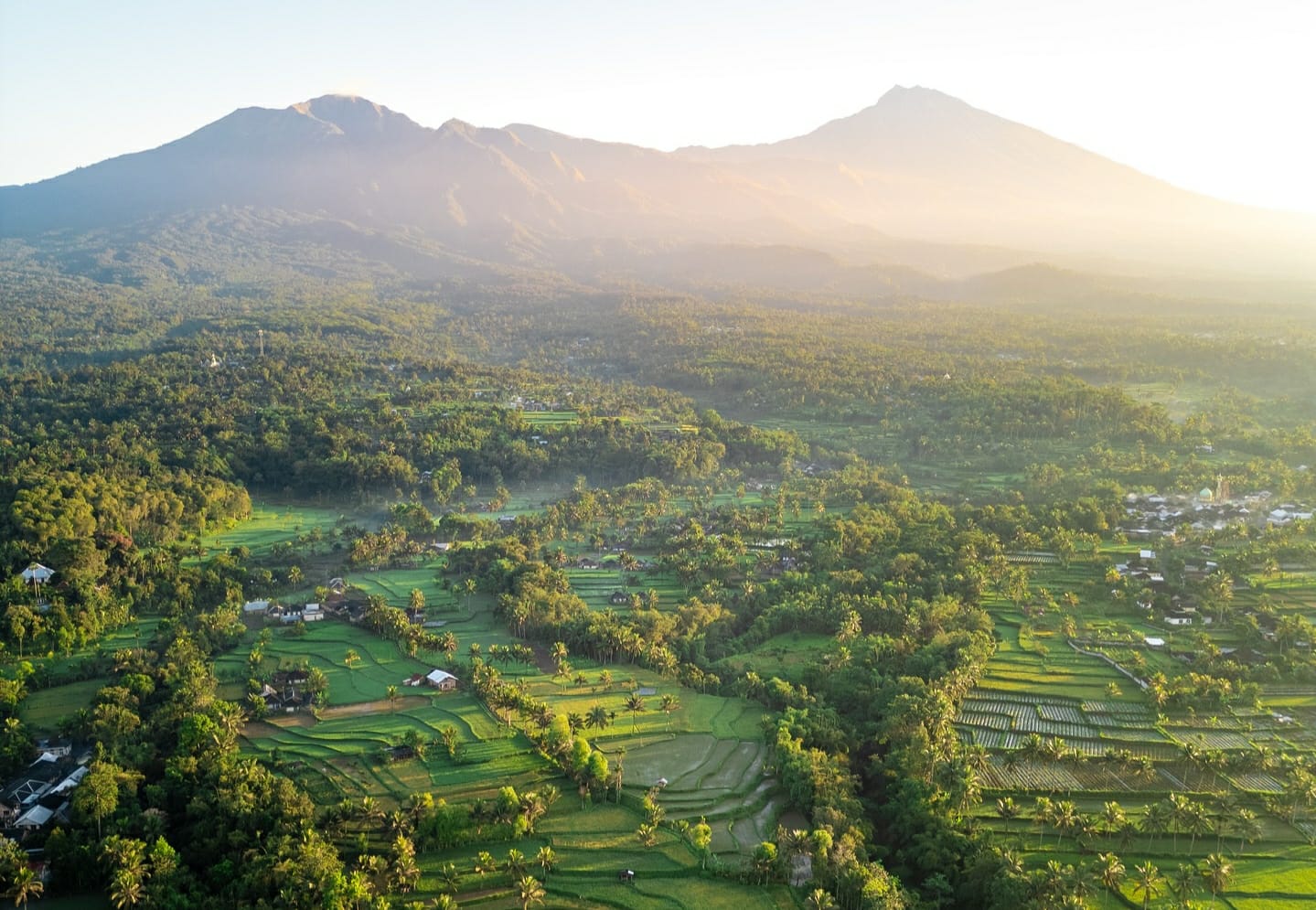
If you’ve ever felt the urge to get away—not just physically, but mentally, emotionally, even spiritually—then let me take you with me, for a moment, to a corner of Indonesia that quietly changed how I define “travel.” It wasn’t a luxury resort vacation. It wasn’t a bucket list checkmark. It was Lombok. And it was magic.
I had heard of this island as a kind of quiet sibling to Bali. Less crowded. Less noisy. Maybe even less “cool,” if you’re following influencer logic. But for me, that was the hook. I wasn’t looking for a party. I was looking for something real—raw landscapes, kind people, simple adventures.
First Impressions: Where the Road Meets the Ocean
Touching down in Lombok, I expected the usual airport scramble. But instead, I was met by a smile—my driver, a local who introduced himself with a laugh and a story about his village goats getting loose the night before. We weren’t strangers for long.
I didn’t rent a car. I didn’t try to navigate the island alone. I trusted someone who lives and breathes this land every day. And that decision changed everything.
We left the airport and within minutes, rice paddies stretched to the horizon, roosters crowed, kids waved from bicycles, and the air smelled of rain and something floral I couldn’t name. The island didn’t shout. It whispered.
Days of Sun, Sand, and Silence
My days began early. There’s something about the sunrise over the east coast that makes you believe in second chances. The colors—gold, coral, pale lavender—bleed into the clouds like brushstrokes.
One morning, I watched local fishermen launch their wooden boats from the quiet shores of Tanjung Aan. Their rhythm, their rituals, their jokes—I didn’t understand the language, but I understood the mood. Peace. Purpose.
Lombok’s southern beaches are surreal. At Selong Belanak, I met a group of beginner surfers and tried my luck on a board. Spoiler: I fell. Often. But no one judged me. In fact, a local girl around 12 years old gave me tips better than any YouTube tutorial.
In the afternoons, we ventured inland. I remember the roads winding through small villages, under the shade of tall coconut trees, passing cows and elders weaving on their porches. I saw life, not a tourist attraction.
Culture Over Comfort
The Sasak culture is rooted in Lombok’s soil. You feel it in the food, the music, the markets. I was invited into a traditional home in a village near Sade. No electricity, no cement—just woven bamboo walls and the smell of wood smoke.
I sat cross-legged on the floor, eating nasi campur with my fingers, laughing with people who barely spoke English but spoke hospitality in a way that needed no translation.
They told me stories about Mount Rinjani—the sacred volcano that watches over the island like an old, powerful guardian. I didn’t hike it this time, but I swear I could feel its presence every time we passed near it. Maybe next time.
Unexpected Beauty in the Smallest Moments
There was one evening that stays with me. We were driving near Senaru, and the rain had just stopped. A light fog curled along the road. We stopped at a warung perched above a valley. Nothing fancy—just tea, fried bananas, and the sound of frogs in the distance.
We didn’t speak much. Just looked out across the green, the clouds, the quiet. And I remember thinking—this is it. This is what I was chasing when I booked that flight.
Not just a vacation. Not just sightseeing. A reconnection.
Why Having a Local Guide Matters
I’ve traveled a lot. I’ve used apps, blogs, forums. But nothing compares to having a real human beside you who knows every shortcut, every hidden beach, every moment when it’s best to go slow or take a detour.
My guide was more than a driver. He was a storyteller, a translator, a snack recommender, and occasionally, a photographer (when I needed to prove to my friends that yes, I was actually here).
If you’re thinking about planning your own Lombok trip, do yourself a favor and go with someone who lives the island—not just works in it.
The Road to Tetebatu: Nature’s Gentle Reminder
On my last full day, we made our way to Tetebatu. It’s a place few tourists reach, nestled in the foothills of Rinjani. The air there is different—cooler, clearer. Farmers tend to their rice terraces with the same deliberate care their ancestors did.
We walked through narrow paths between the paddies, past monkeys in the trees and waterfalls that tumbled down mossy cliffs like nature’s lullaby.
That evening, we sat in silence, listening to the call to prayer drift across the hills. The sky turned that particular shade of blue just before true night falls, and for a while, I forgot everything outside of that moment existed.
What I Took Home (Besides Sand in My Shoes)
I came to Lombok looking for a getaway. What I found was a deeper understanding of what it means to travel.
Not just to go somewhere, but to arrive—with open eyes, with no script, with curiosity.
I learned that the best adventures aren’t always marked on maps. They’re found in conversations, in detours, in unexpected kindness. They’re hidden behind unassuming warungs, beneath waterfalls you have to hike through mud to reach, and in the silence of early morning drives.
Most of all, I remembered how to be a guest—not a consumer.